Greetings!
So, it's been roughly six months since I kicked off this
thread after coming back to mechanical keyboards...
In short, I used Cherry MX Clears (mostly spring-swapped -> Ergo Clears) as my daily driver for almost 15 years.
Around 2019, I switched to ZealPC Zealios V2 and they instantly became my gold standard for tactiles.
A clean, satisfying bump that felt refined compared to the Clears.
Fast-forward to late 2025, and the mechanical keyboard scene had exploded with new options.
I got the itch to explore properly, so I ordering multiple samplers, individual switches, and full sets.
First I did a pre-selection via switch-testers.
Then I tested the most promising ones in actual keyboards (7 builds in total were used).
Some of the boards used:
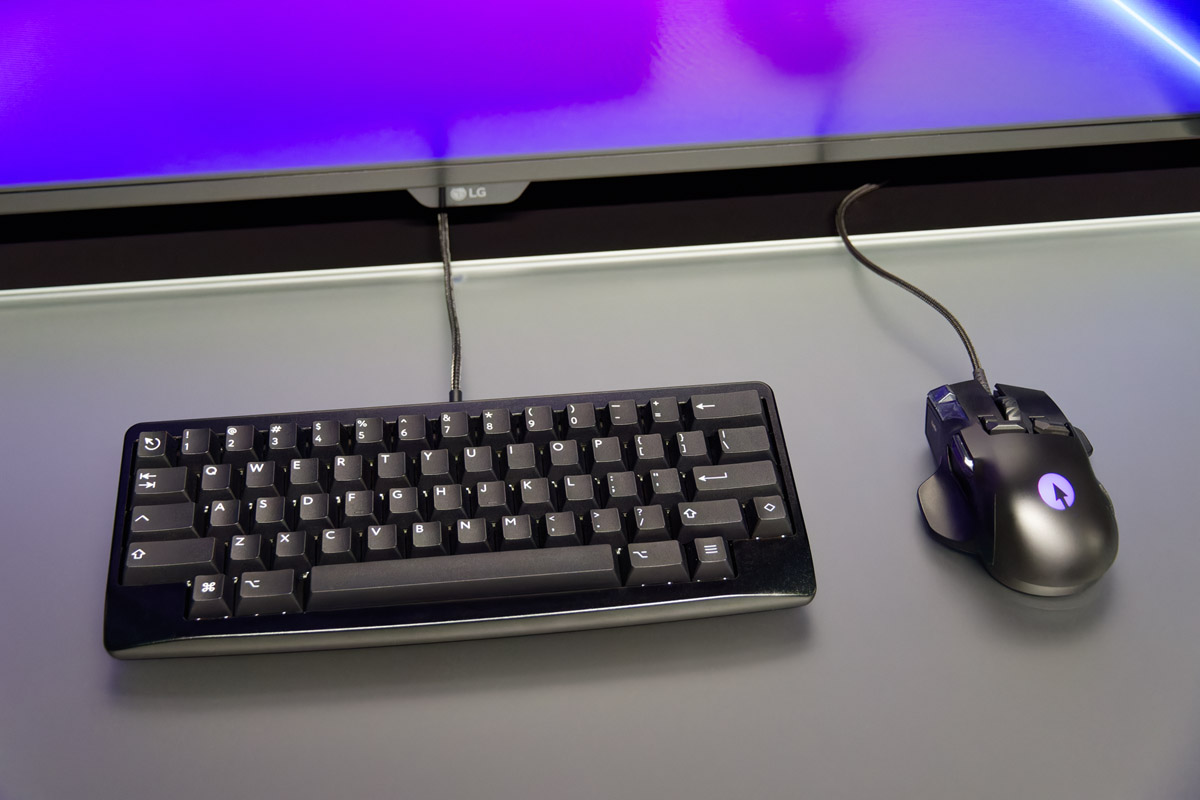
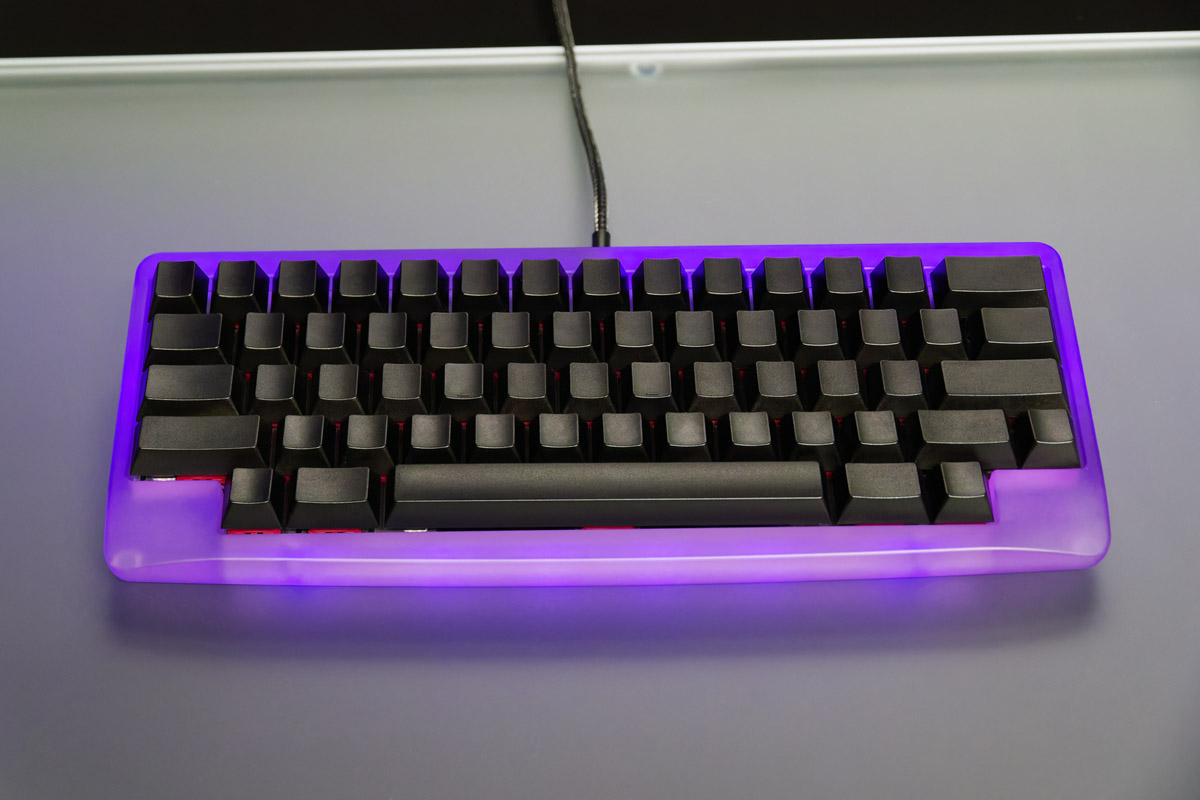
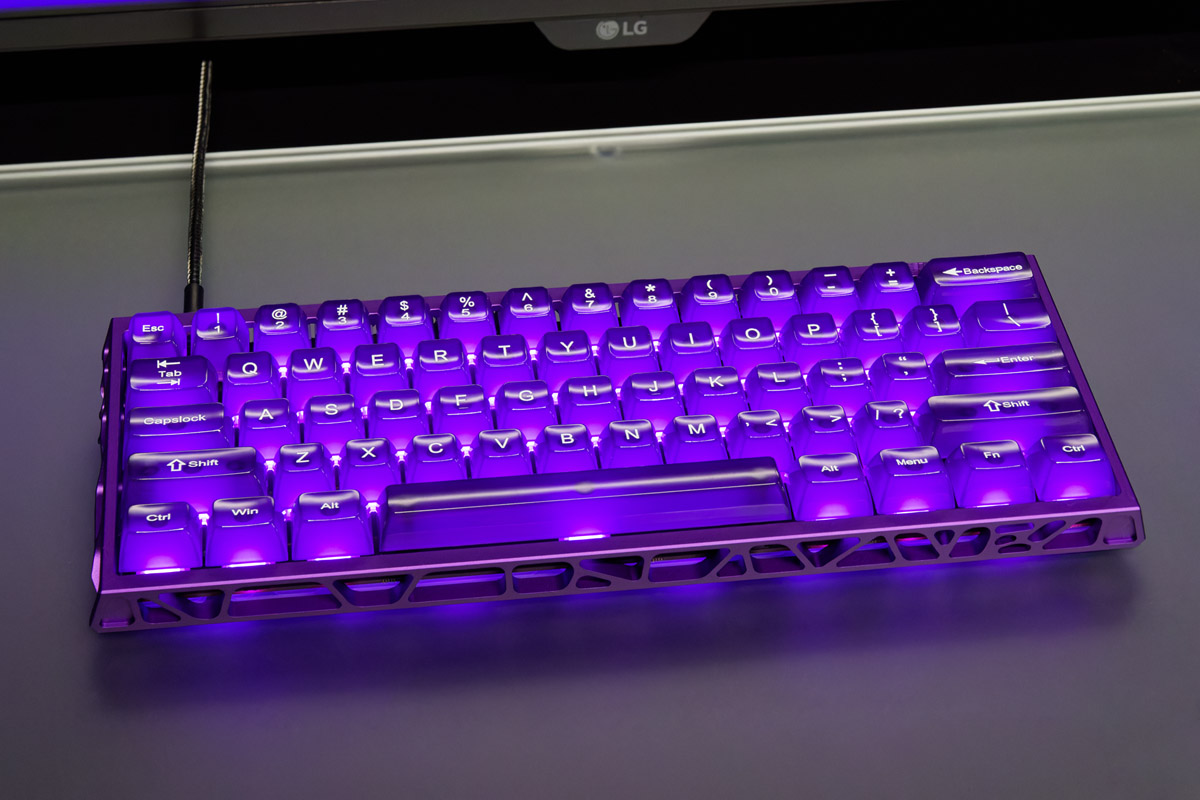
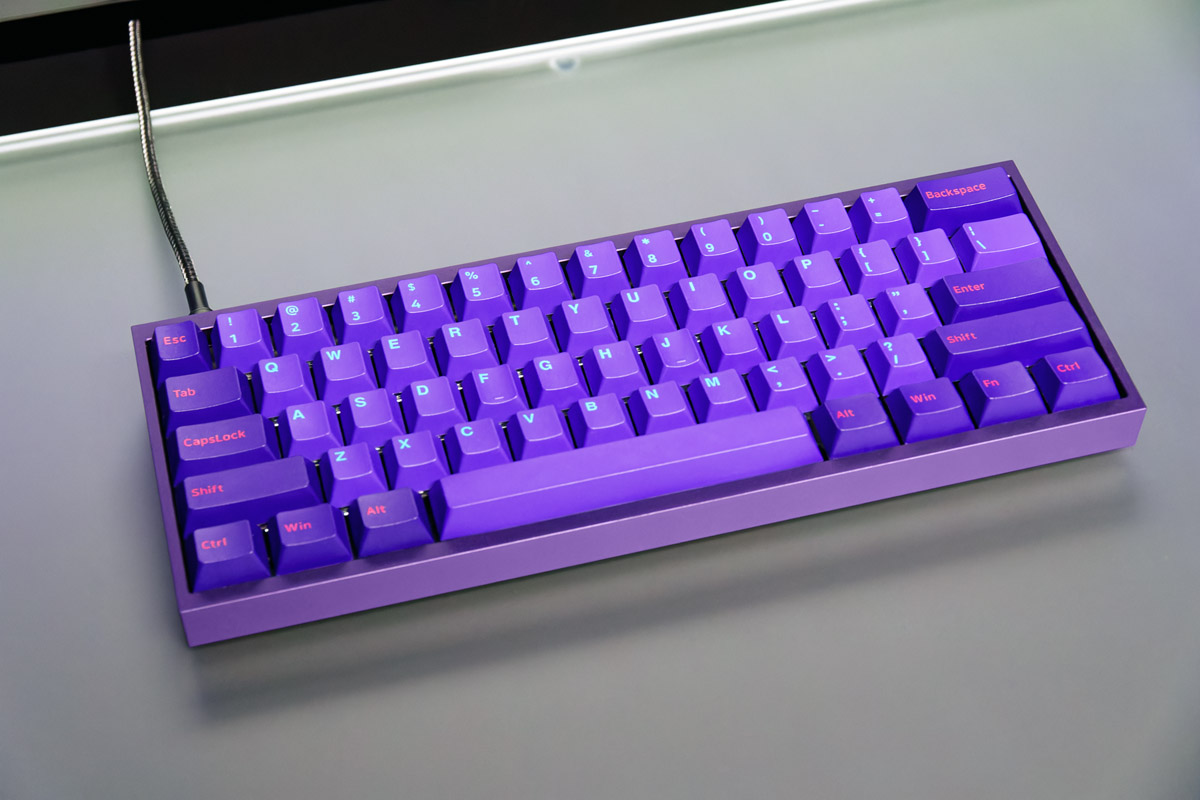
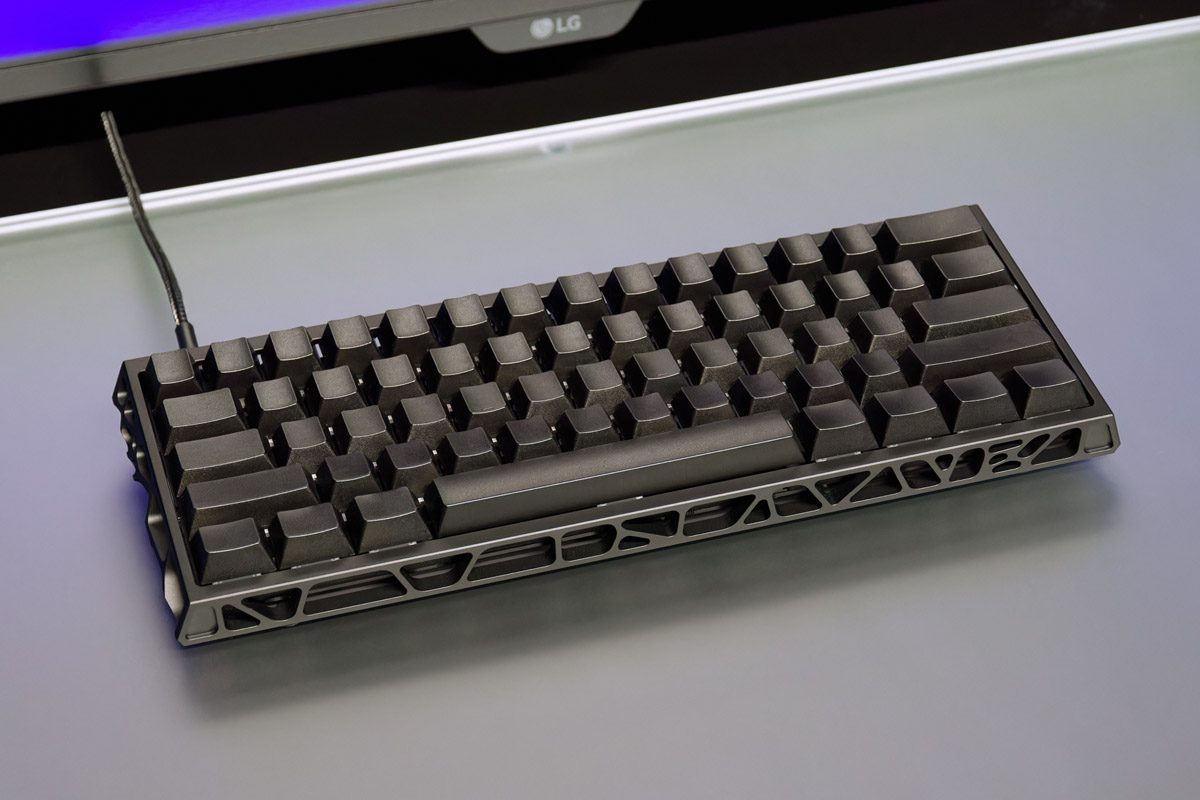
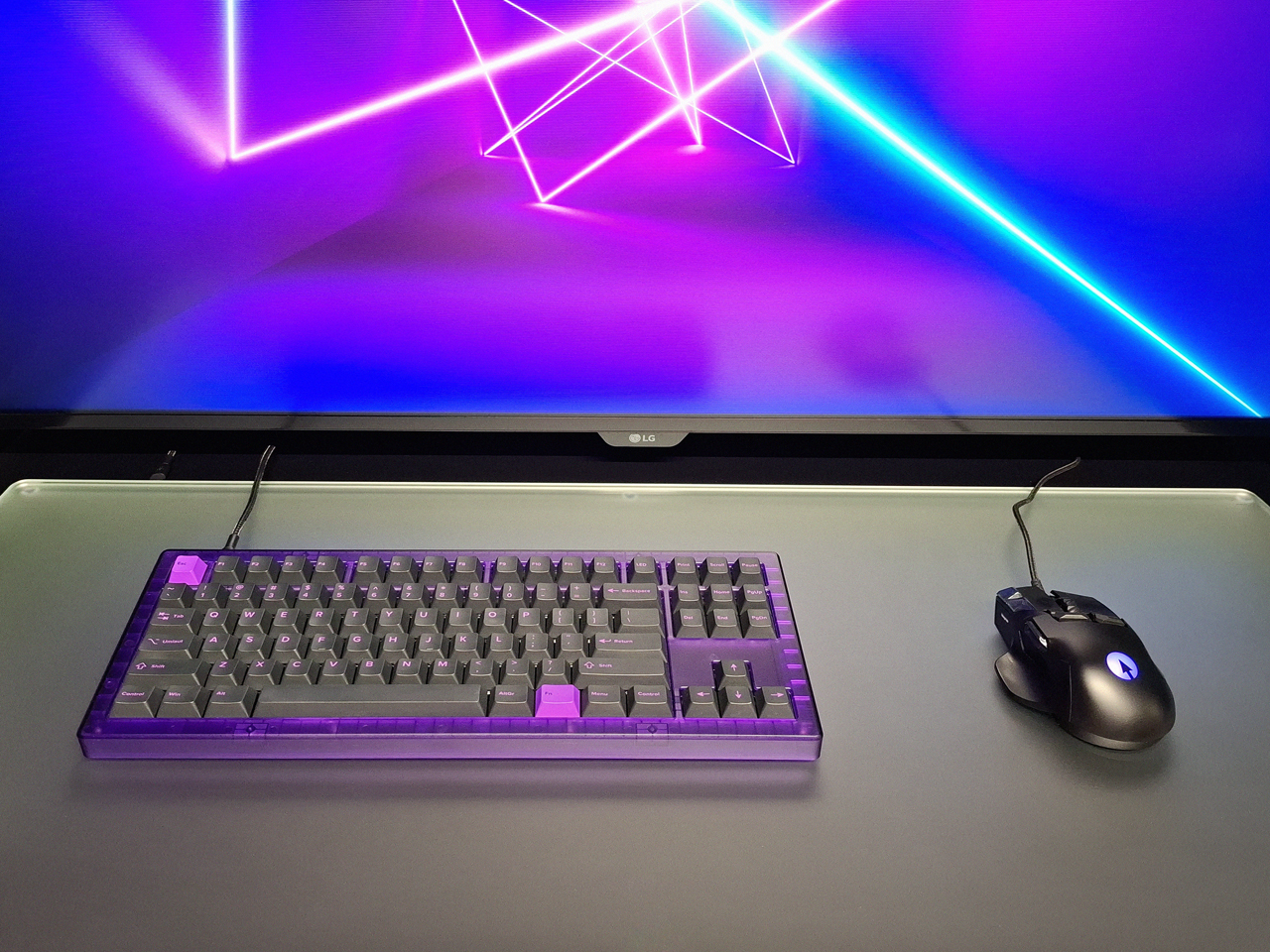
I did extended typing sessions, ****posting on social-media, and mixed in some casual gaming, to get more familiar with the switches.
Most switches were tested in stock configuration, but on some I did spring swaps (usually 3-5g up or down) for reasons I will mention later.
Sound was not up my list that much since I usually wear headphones, but I still noted tonality and loudness.
For a detailed sound-analysis you have to look somewhere else.
Now, before getting into the specific switches, I want to share some observations:
1. The "Stickiness" of Strong Tactile Switches“Stickiness” is my term for that slightly hesitant, anemic return feel on the upstroke of many strong tactile switches.
It occurs when there's a larger gap between the peak force of the tactile bump and the base spring force.
On the downstroke, that big delta creates the pronounced, satisfying BUMP that I like, ok.
But on the return, the spring sometimes lacks enough authority to push the stem swiftly back over the tactile bump.
Instead of a crisp, confident reset, the key can feel like it's sticking just a bit, especially on slow releases.
This phenomenon isn't new tho.
I dealt with it constantly back in the day when modding MX Clears into Ergo-Clears via lighter springs.
It was always a balancing act. Drop the spring weight too much, and the modifiers feel sticky, and the spacebar might not even return on its own.
I've seen the exact same behavior in some modern switches. The Zeal Crystal was one of the first examples I tested.
The enlarged bump felt good going down (even more presence than my beloved V2), but the rebound often felt weak and sticky.
A spring swap to something 5g heavier improved the situation. You'll notice this to varying degrees on most aggressive tactiles.
On alphas it's often livable, but on modifiers and especially the spacebar, it can become genuinely annoying or even cause functional issues.
If you're building or modding with a very tactile switch, don't hesitate to experiment with slightly heavier springs than stock.
Stock or +3g on Alphas, +3g or +5g on Modifiers, and +5g or +10g on Spacebars seems reasonable.
2. Long Pole vs Normal Pole SwitchesI completely missed this development in my abstinence. What's the difference?
So, every MX-style stem has a central pole (the long cylindrical bit in the middle).
In normal/standard pole switches (classic Cherry MX), the stem bottoms out when the outer slider rails hit the bottom housing.
Long pole switches deliberately extend that center pole so it hits the bottom housing first, before the side rails.
This shortens the travel, and changes the bottom-out feel. In force curves, you see the bottom-out spike happen earlier and more dramatically.
It seems this design gained popularity around 2020 and peaked around 2023 across multiple brands.
Many of the switches I tested, including some of the favorites, actually use these long pole stems.
You get snappier resets and a more satisfying strike, but they also feel harsher to the fingertips.
3. Strong Tactile vs Medium vs Light Tactile SwitchesIt's All About the Bump!
I am referring to the strength and prominence of the tactile bump (the force difference/delta created by the stem/leaf interaction).
Generally I seem to prefer medium and strong tactility. A subtle, gentle nudge or mild “pop” that's easy to glide over, is not my thing.
Now, the timeline of my journey...
1. Early Excitement – Boxes of Kailh Box SwitchesThe hunt launched with multiple Kailh Box switches that immediately demonstrated how much things changed over the past 10+ years.
The Box stem design greatly reduced wobble, and also reduces the chance of dirt getting into the switch.
The "switch inside a switch" design (as the switching mechanism is in a box in the bottom of the switch housing...) adds further protection.
From a engerneering standpoint, a clear improvement.
Okay... but do they feel good?
Well... they feel different, and they don't feel bad.
Two out of the dozen I tried ended up in my final testing.
The Kailh Box Royal delivered a nice, strong tactile bump.
They also had a slight pseudo-click character that could resonate depending on the board and keycaps.
Good in focused typing sessions, but not that great for gaming sessions. Nice, but not like my Zealios V2.
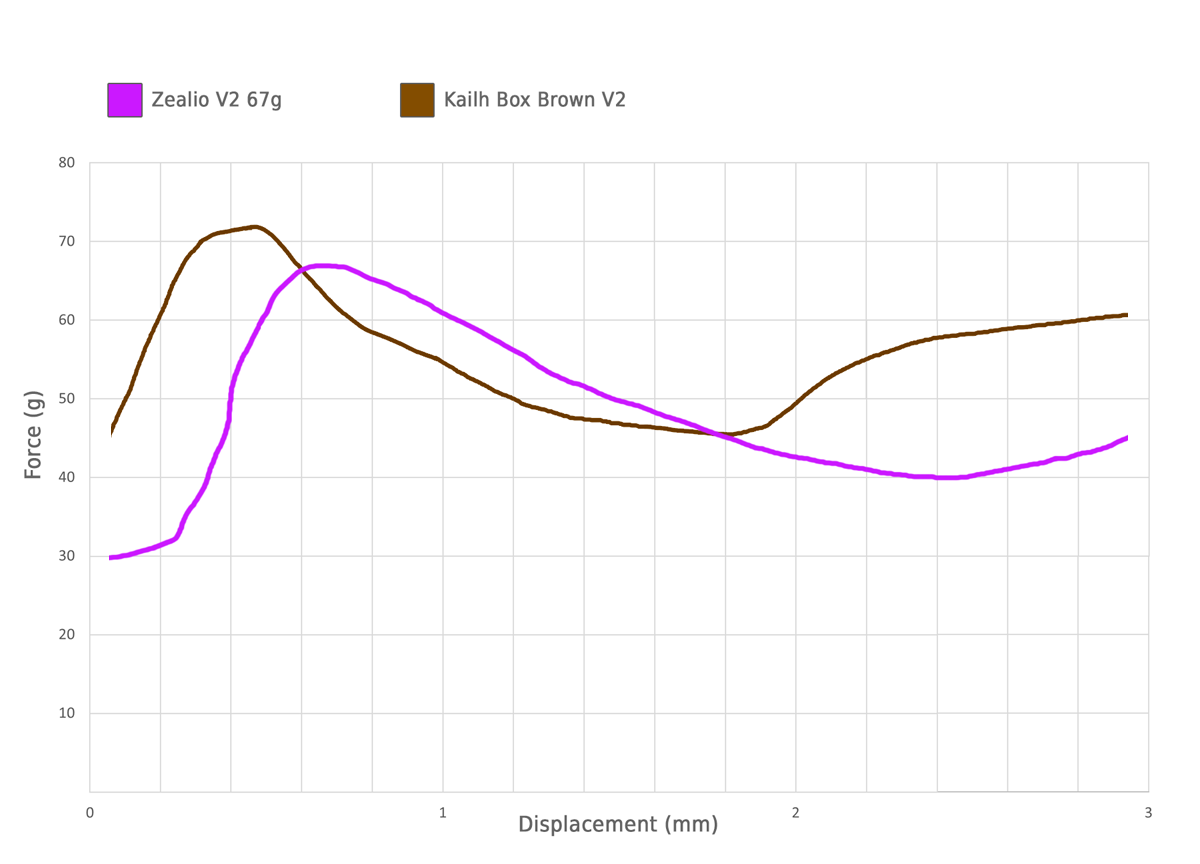
The Kailh Box Brown V2 had a much sharper bump than the Royals.
Even crispier than my beloved Zealios V2. Along with the reduced wobble and improved switch design, a possible alternative.
They felt nicely balanced for both typing and gaming (less exhausting than the Royal). They ultimately ended up in my favorites-list.
Force-Plot showing the sharp bump of the Box Brown V2:
Both switches served as excellent early benchmarks and properly reignited my enthusiasm for the hobby.
2. Mid-Journey - Community Input & DisappointmentsFirst off...
Huge thanks to HungerMechanic and everyone else who chimed in with suggestions.
Based on the thread, I grabbed some switches, some ended up as my favorites, others not.
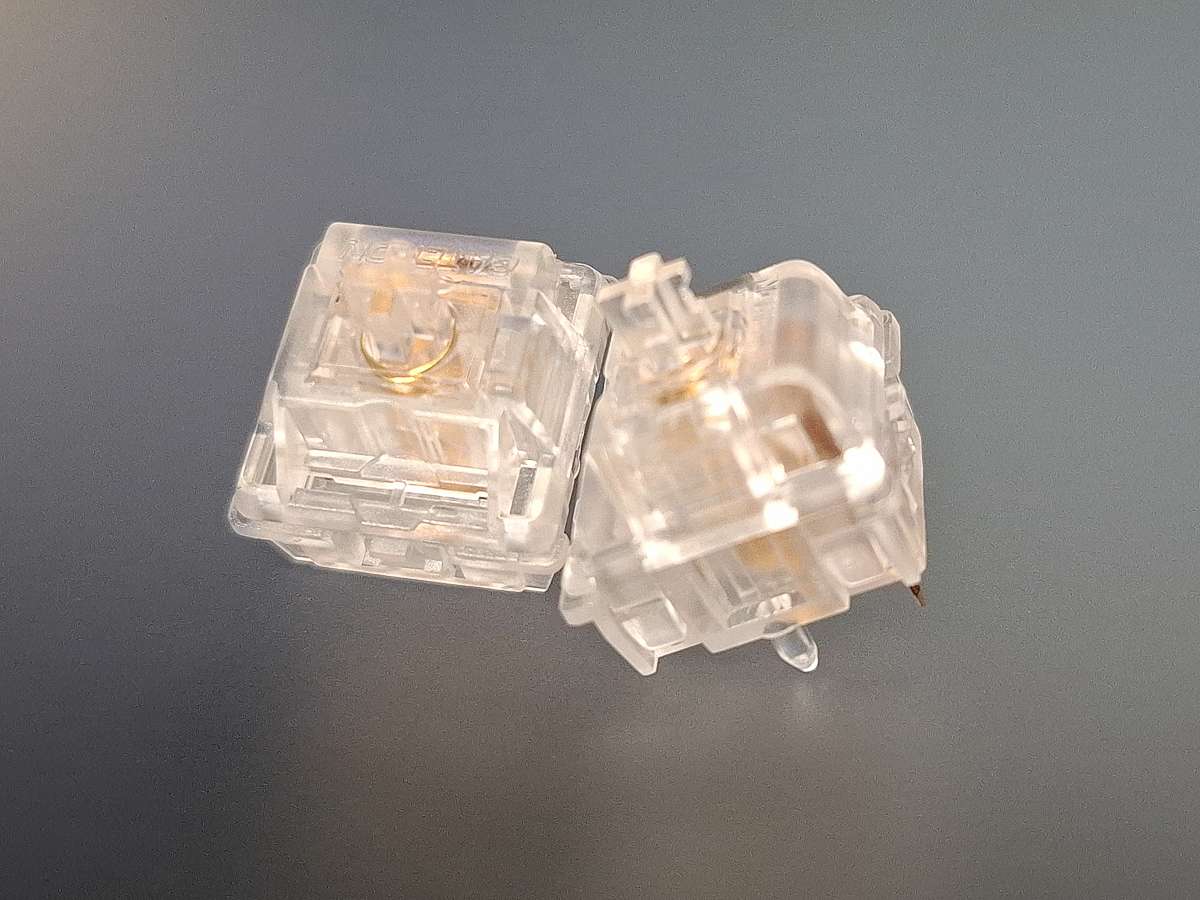
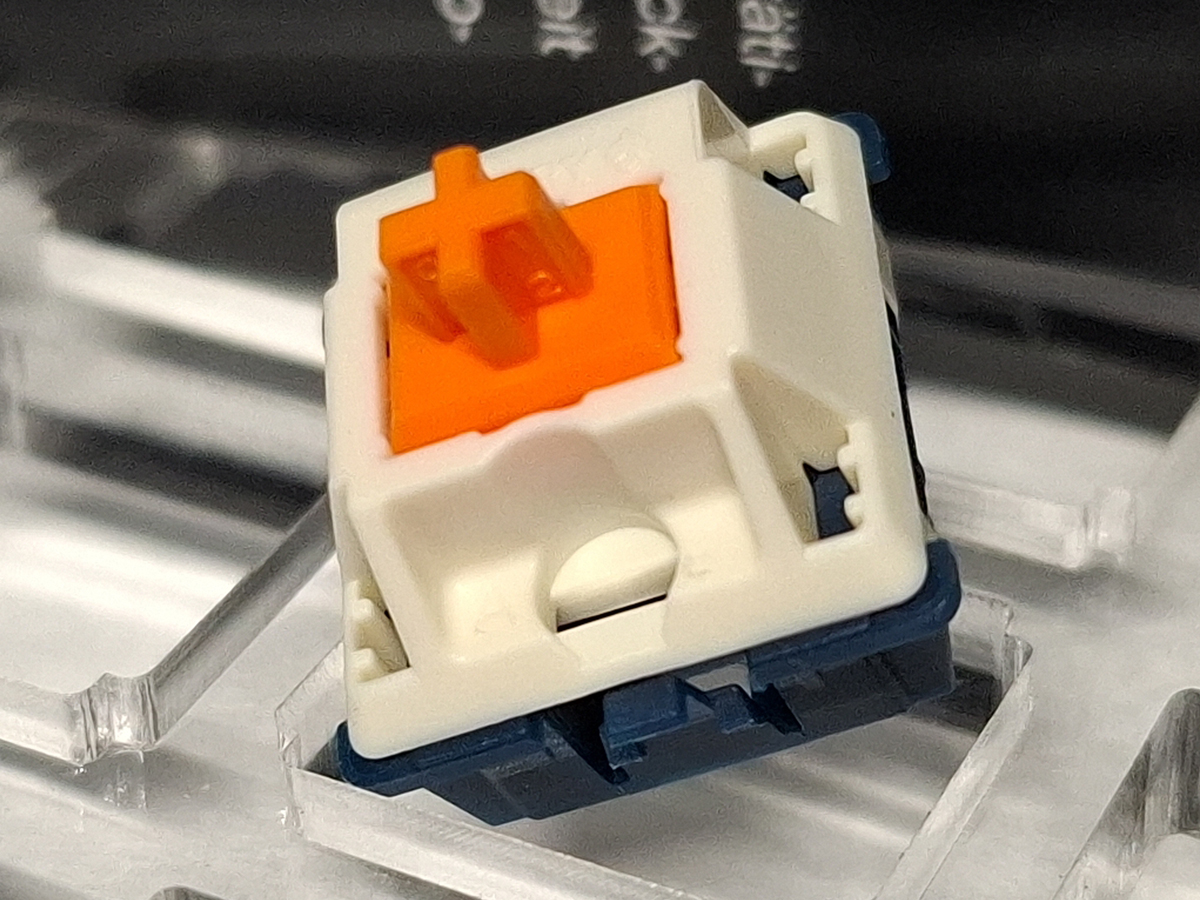
The Zeal Crystal (which I mentioned before), which were marketed as V2 with more pronounced bump, seemed nice on paper.
In practice, they felt too sticky in stock config. Spring adjustments helped. But they never elevated above the regular Zealios V2.
Cherry MX Falcon felt a bit stiff out of the box, but had a promising force curve.
After lighter springs and some break-in period, they improved a lot and stayed in intermediate Top 5.
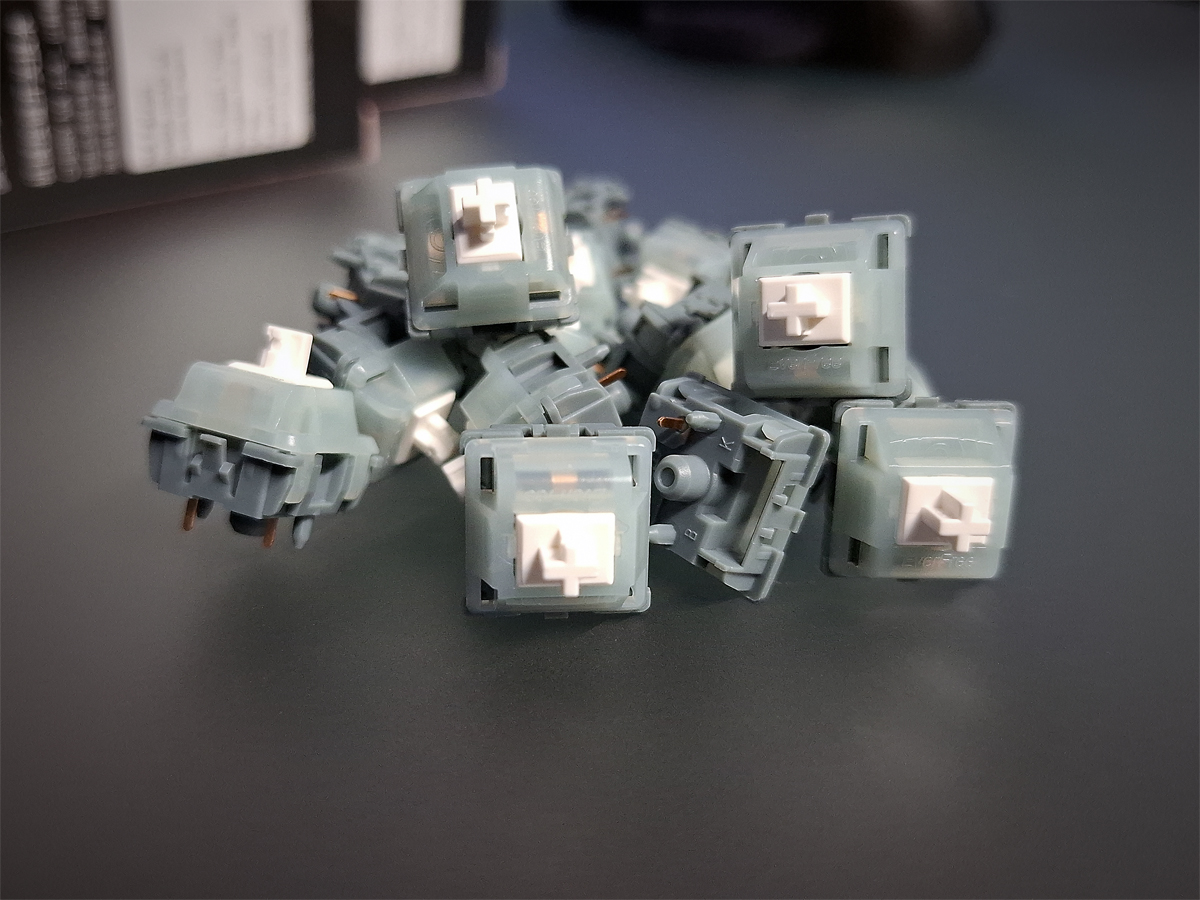
The Gateron Grayish were an immediate standout.
It features a medium-heavy tactility with a wide bump that starts early and builds smoothly.
Overall they felt balanced, not overly stiff or sticky. Also, they were cheap compared to many other "top tier" switches.
Different board mountings made a surprisingly big impact.
The rubber suspension on the Agar consistently made tactility feel more alive and forgiving across most switches.
Back in the day, all MX-boards were hard/direct mount, no suspension, much more resonance and harder impact.
3. Deeper Into the Top ContendersAs months passed, I tested more and more switches, and zeroed in on a handfull of finalists.
Modern Gateron-family tactiles in particular stood out...
Gateron Jupiter Banana, Siliworks Type R, and Gateron/Everfree Grayish formed the heart of my final shortlist.
They're similar in many ways (strong early bumps) but distinct enough to feel different.
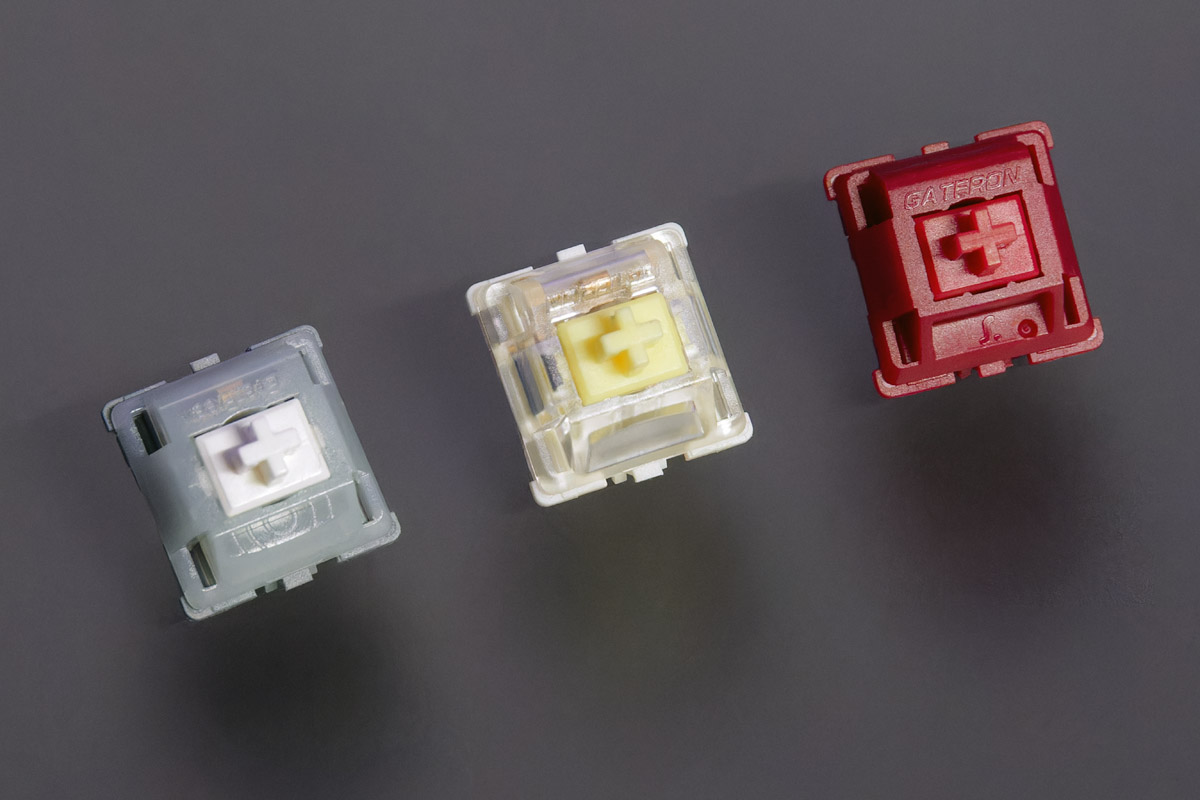
The Gateron Jupiter Banana has a strong, satisfying bump that hits early and feels snappy.
Smooth, yet bold. Sound tends to be clacky but not overly loud. Great switch!
The Siliworks Type R has a bump that hits almost immediately and dominates the downstroke.
Bold, aggressive, short travel. Kinda like a maximized version of the Jupiter Banana.
Sound was brighter and clackier. It trades a bit perceived smoothness for raw intensity.
Great on suspended/springy mounts where the "snap" is amplified. It has a high fun factor!
The Grayish were the most balanced. Less aggressive and a touch more post-bump linear feel.
Sound leans nicely thocky. Stock performance is impressive for the price.
Near premium feel without the premium cost. I recommend!
Early-bump comparison, Grayfish -vs- TypeR
 4. Final Conclusion?
 After six months of testing, spring mods, board swaps, and community suggestion,
I ended up with a short list of favorites...
Kailh Box Brown V2
Gateron Jupiter Banana
Siliworks Type R
Everfree/Gateron Grayish
Zeal-PC Zealios V2 67g (still my emotional favorite)
For the last several weeks, they have been trading the absolute top spot depending on the day and build.
The Cherry MX Falcons were solid mid-journey contenders but got edged out slightly in the final cut.
There are some more switches to try...
Like the "Gateron Weightlessness" which is supposed to be a light version of the Type R.
Hope this helps, someone, somehow...
Happy to hear your opinion on this topic. Please. This forum feels like it is on Fent (no offense...).


 Topic: A Long Journey... Summary and Conclusion (Read 19358 times)